Women and material · 2 min read
The Power of Reuse
When women turn scraps into art, identity, and strength. Recycling as a political gesture, an act of healing, and a declaration of freedom, starting with Frida Kahlo.
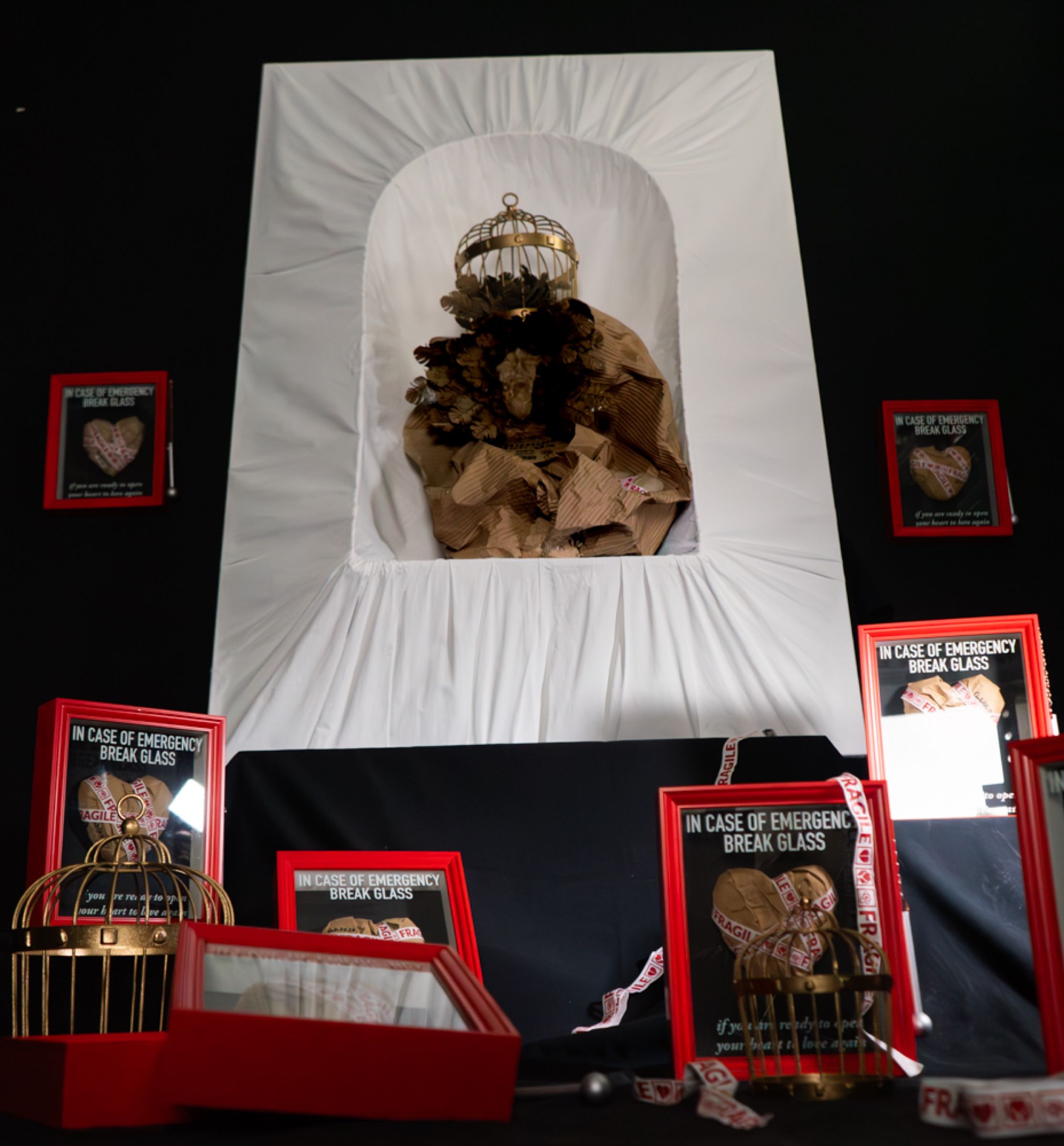
What they share
What do a furry cup, a dress made of plastic collected on a beach, and a sculpture made of old fabric have in common? Only one thing: the powerful gaze of women who do not give up. Women who choose to turn waste into resource, memory into action, and fragility into strength.
Recycling as a choice
These are true stories, brave, sometimes uncomfortable, but always necessary. They tell of women artists who made recycling the backbone of their art, in three senses:
- material, because they work with what others throw away;
- symbolic, because every scrap carries a meaning waiting to be rewritten;
- autobiographical, because the raw material is also their own story.
They do not do it for fashion, but by choice. Out of urgency. For identity.
Getting their hands dirty
These are women who are not afraid to get their hands dirty, to turn pain inside out, or to give shape to unease. For them, art is a political gesture, an act of healing, and a declaration of freedom.
Frida Kahlo: recycling pain
Frida Kahlo was anything but delicate. She was visceral, direct, and ruthlessly honest. Painter, activist, and icon: but above all, a woman who turned suffering into visual power.
Her self-portraits are not exercises in style. They are emotional upcycling. Frida did not only recycle materials, she recycled her story: she took accidents, operations, and absences, and stitched them together until they became art. She repainted her own body and identity, and a universal message was born: fragility does not define you. Fragility is the starting point.
She was not looking for compassion. She was looking for truth, and she put it right in front of our eyes with fierce, authentic brushstrokes. She showed the world that one can be broken and whole at the same time.
A revolution that goes on
After her, other women carry this visual and symbolic revolution forward, from Marina DeBris to Ulla-Stina Wikander. They do not simply reuse objects: they rewrite meanings. They force us to look straight at what we discard, whether it is plastic, fabric, or identity.
Because nothing is to be thrown away. Not a piece of cloth, and not a part of us.
And you, which part of your story would you like to transform? Write it, share it, make it your own. The revolution starts there.